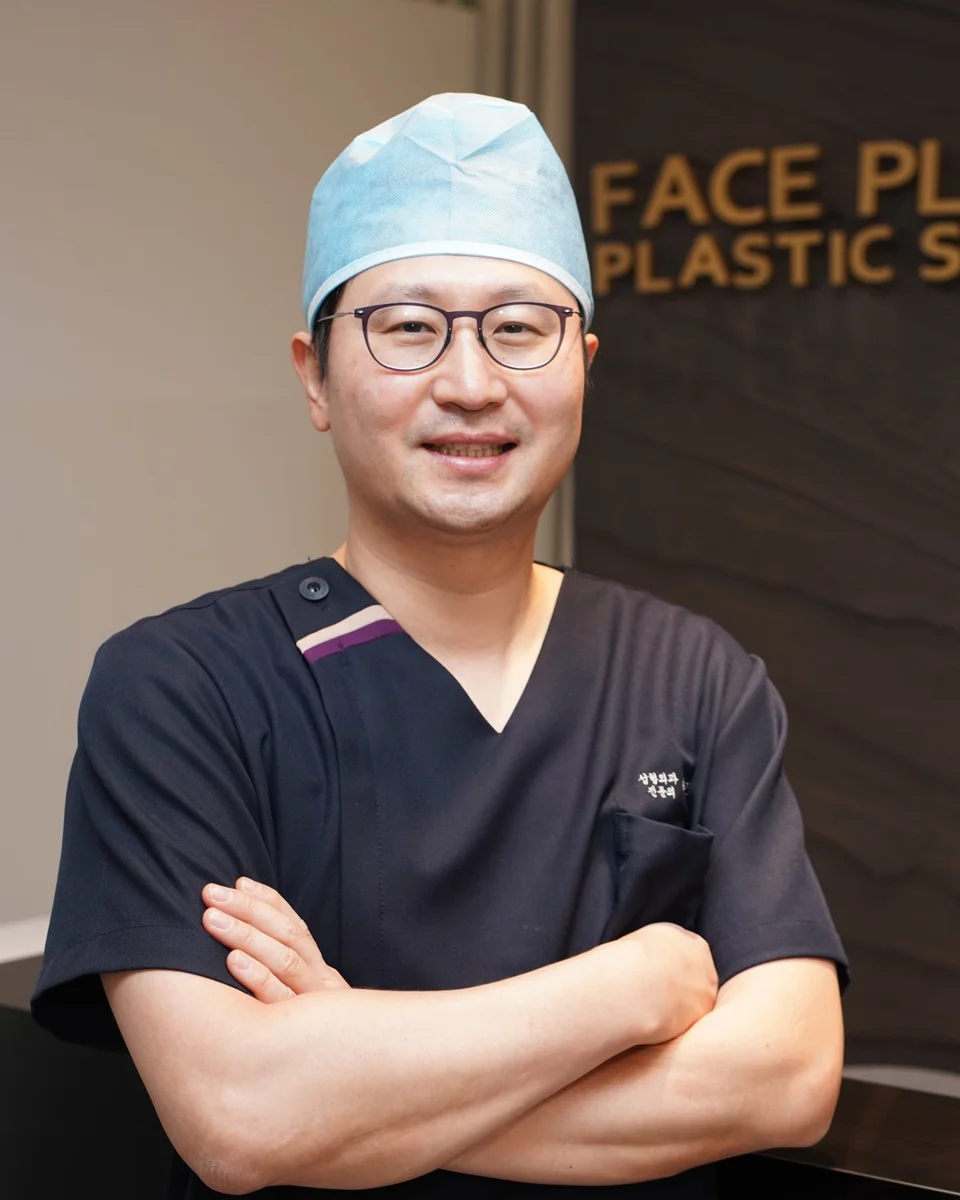
Meet Dr. Lee Shin-jung
1 photo · Select a photo to enlarge

THE CLINICIAN
이신정
Also listed as Lee Shin-jung · Shin-jung Lee
- Clinical role
- Orthodontist
- Practice position
- Orthodontic clinician
- Current clinic
- Faceline Plastic Surgery
- Documented background
- Seoul National University dentistry; orthodontic training at Samsung Seoul Hospital
- Focus
- Orthodontics for coordinated jaw treatment
Training and professional background
Dr. Lee Shin-jung is the orthodontic clinician listed by Faceline. The official biography records graduation from Seoul National University College of Dentistry and orthodontic training at Samsung Seoul Hospital. It also lists orthodontic specialist certification from Korea’s Ministry of Health and Welfare.
This is an orthodontic profile, not a profile of an operating jaw surgeon. The distinction matters because corrective jaw treatment often requires separate decisions about tooth positions and skeletal movement. An orthodontic consultation helps connect those parts of the plan.
The orthodontic role in your jaw treatment
Dr. Lee Shin-jung is the orthodontic clinician, rather than the operating plastic surgeon. The official biography lists Seoul National University dentistry, orthodontic training at Samsung Seoul Hospital and Ministry of Health and Welfare specialist certification. Discuss tooth alignment before surgery, the intended final bite and arrangements for orthodontic finishing after returning home.
Credentials and role within the surgical team
The official biography lists both certification through the Korean Association of Orthodontists and orthodontic specialist certification from Korea’s Ministry of Health and Welfare. It records an adjunct academic role at Sungkyunkwan University College of Medicine and membership in the Korean Temporomandibular Joint Research Society.
The profile dates clinical practice to 2000 and identifies her Seoul National University dental graduation as with honors. These are dental and orthodontic credentials. They are relevant to planning the teeth and bite around a surgical correction, while the osteotomy itself remains a separately assigned surgical responsibility.
Faceline’s two-jaw service description explicitly identifies Dr. Lee as the lead for orthodontic care before or after surgery. Its core model joins plastic surgery with orthodontics rather than presenting tooth alignment as an afterthought. This is especially relevant when a patient has received different recommendations from a dentist and a facial surgeon.
A clinic-hosted historical interview describes her participation in case-planning discussions with the surgical directors and adjustment of orthodontic decisions according to postoperative progress. This provides context for the collaborative model, rather than a promise of a particular appliance, treatment length or result for a new patient.
Relevance to jaw-surgery decisions
For a patient considering jaw surgery, the orthodontic discussion should explain how the teeth will fit after the jaws have been repositioned. Ask Dr. Lee which dental changes are needed before surgery, what remains afterward and how progress will be assessed.
If you have already worn braces or aligners, bring the original diagnosis and treatment records. Ask whether the current tooth positions support the intended surgical plan or whether further preparation is required. The answer can affect both the sequence and duration of treatment.
Questions for your appointment
Ask whether the case is suitable for an orthodontics-first or a surgery-first sequence, and what findings drive that recommendation. Request a realistic plan for appointments and appliance management, particularly if you live outside Korea.
Ask how the orthodontic and surgical teams resolve differences between an attractive simulated profile and a stable dental fit. Discuss retention and the handover to an orthodontist in your home country. Clarify whether the receiving clinician agrees to continue the planned treatment before traveling.
Preparing a treatment decision
Prepare a list of the orthodontic appliances you currently use and any previous extractions or restorative work. Ask which records should be sent in advance and which require a current clinical examination. Make sure both the orthodontist and surgeon have the same version of the treatment plan.
An international plan should identify who is responsible for each adjustment and which visits must occur in Korea. Request a written estimate separating orthodontic care from surgical fees. Before accepting a compressed travel schedule, ask how the team will handle an unexpected delay in dental preparation or postoperative finishing.
The orthodontic contact in a two-country plan
Lee Shin-jung (이신정), also written Shin-jung Lee, is Faceline’s orthodontic clinician. Her role concerns tooth alignment and the bite around jaw surgery; she should not be confused with the operating facial-bone surgeon Lee Jin-soo.
For treatment shared between Korea and your home country, use the consultation to establish which clinician will prescribe appliance adjustments at each stage. A written handover should identify the agreed dental objectives, the current appliance and the point at which the teams will confirm readiness for surgery or postoperative finishing.
Explore the clinic

Understand the treatment options
YOUR NEXT STEP
Contact the clinic directly
Enquiries about Dr. Lee Shin-jung go through Faceline Plastic Surgery. Name the clinician in your enquiry and confirm their current role and availability. This profile is for orthodontic care, not an introduction to an operating surgeon.
- Confirm the care plan
Ask which procedure, clinician and treatment location the consultation covers.
- Get an itemized estimate
Separate the proposed treatment, included care and possible extra costs.
- Review before committing
Clarify aftercare, changes to the plan and cancellation terms before paying.
What should I ask for in a written quote?
- The named procedure, operating clinician and care location; confirm who coordinates any orthodontic treatment.
- The total, currency and tax status, with each included item and exclusion identified.
- Tests, anesthesia, hospital stay, medicines, orthodontics, follow-up and interpreter support: which are included, optional or charged separately?
- What remains provisional until examination, and what happens to the estimate if the treatment plan changes?
- Deposit, cancellation and refund terms, plus who pays for unexpected treatment, extra nights or a return visit.
- Who provides follow-up in Korea and at home, how urgent concerns are handled, and any separate charges.
Read the full cost checklist → · Prepare consultation questions →
The link below opens the clinic’s international website in a new tab. Opening it does not send an enquiry, select a doctor, reserve a date or confirm a price. Jaw Surgery Korea does not collect consultation details or book appointments.
Visit international website ↗Faceline Plastic Surgery · www.facelineplasticsurgery.com
Before sharing records or photos, confirm the recipient and the clinic’s secure submission process and privacy policy. Your profile choice here is not automatically included in an enquiry.
Sources & further reading
- Official clinician biography ↗
- International clinic ↗
- Two-jaw team roles ↗
- Historical clinical-team interview ↗
- Official clinic profile and information ↗
For personal recommendations, discuss your examination and records with your treating surgeon and orthodontist.