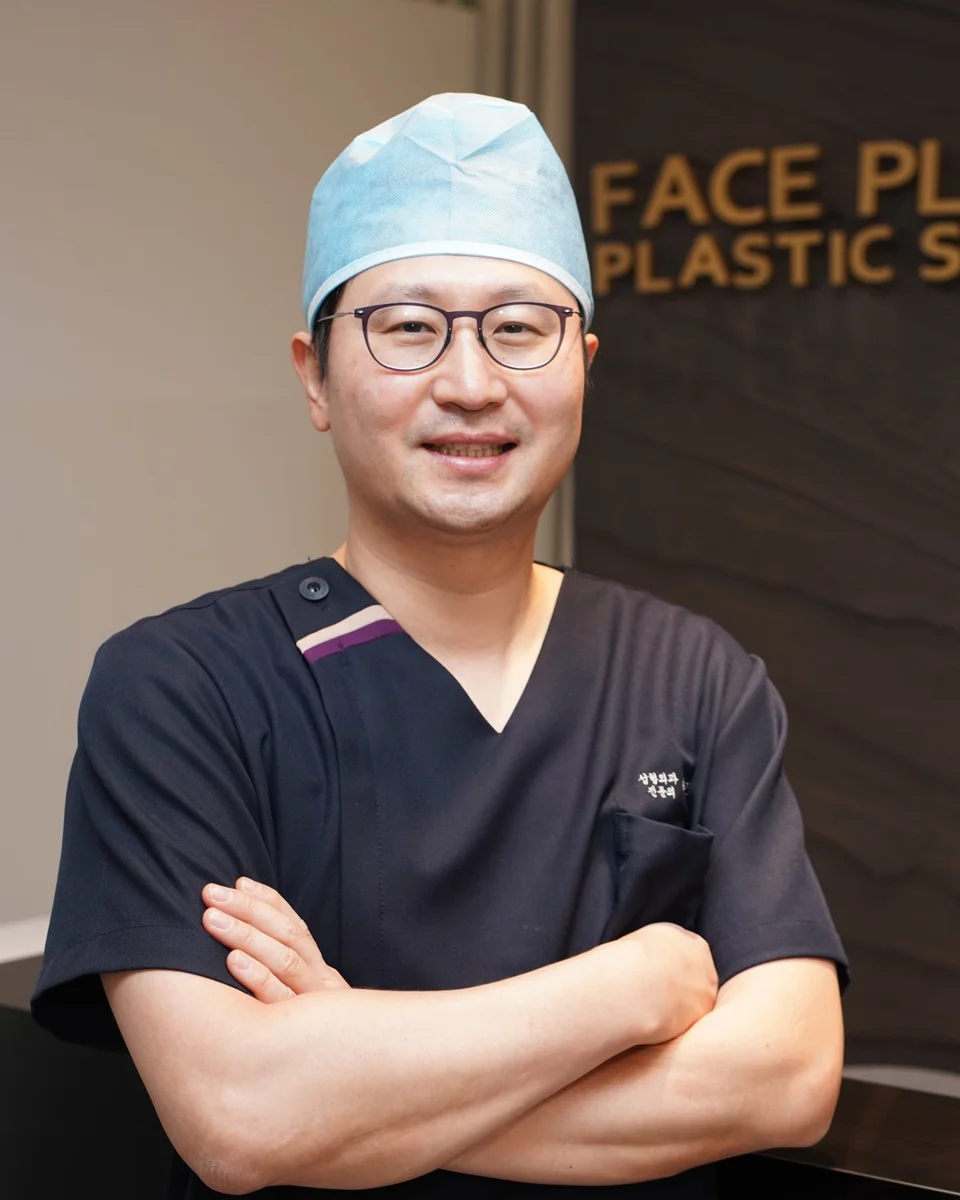
Meet Dr. Lee Jin-soo
1 photo · Select a photo to enlarge
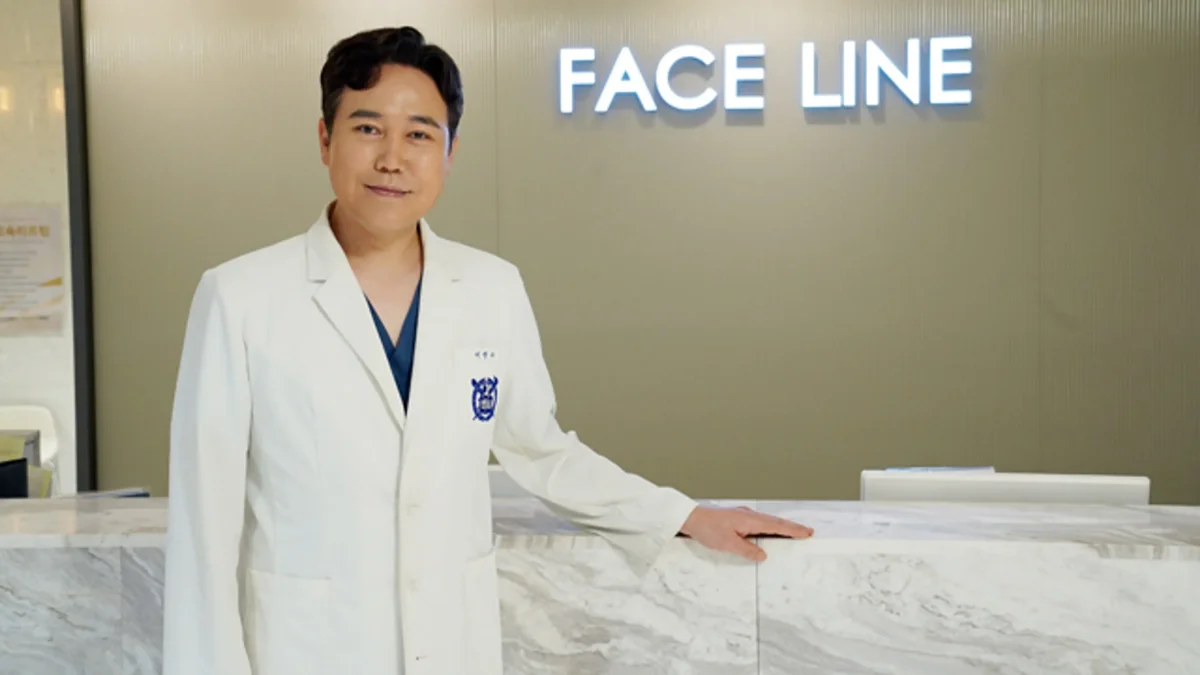
THE CLINICIAN
이진수
Also listed as Lee Jin-soo · Jin-soo Lee
- Clinical role
- Plastic surgeon
- Practice position
- Representative director
- Current clinic
- Faceline Plastic Surgery
- Documented background
- Seoul National University medical training
- Focus
- Double-jaw surgery and facial contouring
Training and professional background
Dr. Lee Jin-soo is listed as a representative director and plastic surgeon at Faceline. His official biography records a medical degree and postgraduate study at Seoul National University and plastic surgery residency at Seoul National University Hospital. The international biography does not specify the postgraduate degree title; no additional degree or current university appointment is assumed here.
The biography associates his clinical work with double-jaw surgery and facial contouring, and identifies his role at the F-LINE Facial Contouring Research Institute. It lists participation in plastic surgery and craniofacial professional organizations. These details establish the published clinical focus; your consultation should determine how it applies to your own diagnosis.
Separate surgical responsibility from orthodontic preparation
Faceline identifies Lee Jin-soo with double-jaw and facial-contouring surgery and Lee Shin-jung with orthodontics. For a bite-changing proposal, ask which clinician will define the skeletal movements and which will prescribe tooth movement before and after the operation. If your orthodontist is outside Korea, ask the two teams to agree on the sequence before you commit to travel or appliance changes.
A useful written consultation summary separates the diagnosis, proposed upper- and lower-jaw movements, any additional chin or jaw-border work, and the orthodontic stages. Ask which elements are necessary to address function and which are elective appearance changes. This lets you compare recommendations on the same clinical basis even when clinics use different technique names.
Faceline’s surgical and orthodontic team ↗
Mayo Clinic: coordinated surgical and orthodontic planning ↗
Academic activity in orthognathic and facial-bone surgery
The Korean academic archive records Dr. Lee as a chair and speaker in facial-bone sessions at APS Korea 2026, including an orthognathic-surgery presentation about improving the aesthetic effect of two-jaw surgery. It also records co-chairing a 2025 session about facial size and profile control through orthognathic and contouring surgery.
Other listed activity includes a 2025 Severance symposium presentation on the study of orthognathic surgery, a 2025 craniofacial meeting session on profile planning, and earlier presentations on soft-tissue considerations in midface and lower-face contouring. The subjects show that his published educational work addresses both skeletal movement and the visible soft-tissue result.
These are clinic-published professional activities, not a measured result for an individual patient. Conference participation, society membership and clinical training describe different parts of a career; they should not be read as a guarantee of surgical safety, outcome or suitability.
Relevance to jaw-surgery decisions
Faceline’s service structure includes jaw repositioning, facial asymmetry assessment, lower-jaw surgery and revision procedures. Dr. Lee’s profile is therefore relevant when a patient needs to compare skeletal correction with contouring, particularly where appearance and bite concerns overlap.
Ask for a plan that explains the separate roles of surgery and orthodontics. If a change is mainly aesthetic, request a discussion of whether an operation that preserves the existing bite could meet the objective. If function is the priority, define how the team will assess it.
Questions for your appointment
Ask Dr. Lee to explain the proposed upper- and lower-jaw movements and why both, one or neither jaw needs repositioning. Discuss the features you want to preserve as well as those you want to change. Request a clear explanation of the limits of a simulation.
If a branded method or particular fixation approach is recommended, ask what differs mechanically from other options and how that affects your recovery instructions. For revision surgery, ask which original operative documents are essential and what uncertainties remain after examination.
Preparing a treatment decision
Bring the current orthodontic plan and a concise history of previous dental or facial treatment. If you are obtaining multiple opinions, compare the diagnosis and proposed movements rather than comparing technique names alone. Ask for a written summary you can discuss with your orthodontist.
Clarify the appointment schedule, interpreter access and arrangements for checking the bite after discharge. Ask which costs are included and which may arise separately. Before deciding, confirm the named operating surgeon, the anesthesia arrangements and the plan for continuity after returning home.
If this is a revision consultation
Faceline lists revision jaw surgery among its services. Tell the clinic what operation you previously had, where and when it was performed, and whether the concern involves the bite, facial shape, sensation or another symptom. Ask which original operation report, imaging and orthodontic records the surgeon needs before the appointment. Do not arrange new scans solely for an online enquiry without instructions from a clinician.
Ask Dr. Lee to distinguish what can be explained from the existing records, what requires examination and what remains uncertain. Request a discussion of non-operative options, the reason to operate again and the risks specific to your history. General jaw-surgery risks include infection, bleeding, nerve injury, persistent bite problems and a possible need for further treatment; a clinic’s case volume or branded technique does not remove these risks.
For a staged plan, confirm who will reassess you before a later step and what would lead the team to change or defer it. Keep the diagnosis and consent discussion separate from a quote or an available surgery date. You should have an opportunity to review the plan with your orthodontist and obtain another opinion.
Matching the surgeon to your records
His Korean name is 이진수; English records may place the family name first as Lee Jin-soo or last as Jin-soo Lee. In Faceline’s care structure, his facial-bone surgical role is distinct from the orthodontic role of Lee Shin-jung.
When requesting a treatment summary, include the surgeon’s full name and ask for the operation’s standard clinical name. This makes it easier for an orthodontist at home to connect the proposed skeletal change to the dental plan rather than relying on the clinic’s branded procedure terminology.
Explore the clinic

Understand the treatment options
YOUR NEXT STEP
Contact the clinic directly
Enquiries about Dr. Lee Jin-soo go through Faceline Plastic Surgery. Name the clinician in your enquiry and confirm their current role and availability.
- Confirm the care plan
Ask which procedure, clinician and treatment location the consultation covers.
- Get an itemized estimate
Separate the proposed treatment, included care and possible extra costs.
- Review before committing
Clarify aftercare, changes to the plan and cancellation terms before paying.
What should I ask for in a written quote?
- The named procedure, operating clinician and care location; confirm who coordinates any orthodontic treatment.
- The total, currency and tax status, with each included item and exclusion identified.
- Tests, anesthesia, hospital stay, medicines, orthodontics, follow-up and interpreter support: which are included, optional or charged separately?
- What remains provisional until examination, and what happens to the estimate if the treatment plan changes?
- Deposit, cancellation and refund terms, plus who pays for unexpected treatment, extra nights or a return visit.
- Who provides follow-up in Korea and at home, how urgent concerns are handled, and any separate charges.
Read the full cost checklist → · Prepare consultation questions →
The link below opens the clinic’s international website in a new tab. Opening it does not send an enquiry, select a doctor, reserve a date or confirm a price. Jaw Surgery Korea does not collect consultation details or book appointments.
Visit international website ↗Faceline Plastic Surgery · www.facelineplasticsurgery.com
Before sharing records or photos, confirm the recipient and the clinic’s secure submission process and privacy policy. Your profile choice here is not automatically included in an enquiry.
Sources & further reading
- Official clinician biography ↗
- International clinic ↗
- Korean academic archive ↗
- Official clinic profile and information ↗
- Faceline’s surgical and orthodontic team ↗
- Mayo Clinic: coordinated surgical and orthodontic planning ↗
- Faceline revision and other jaw-surgery services ↗
For personal recommendations, discuss your examination and records with your treating surgeon and orthodontist.