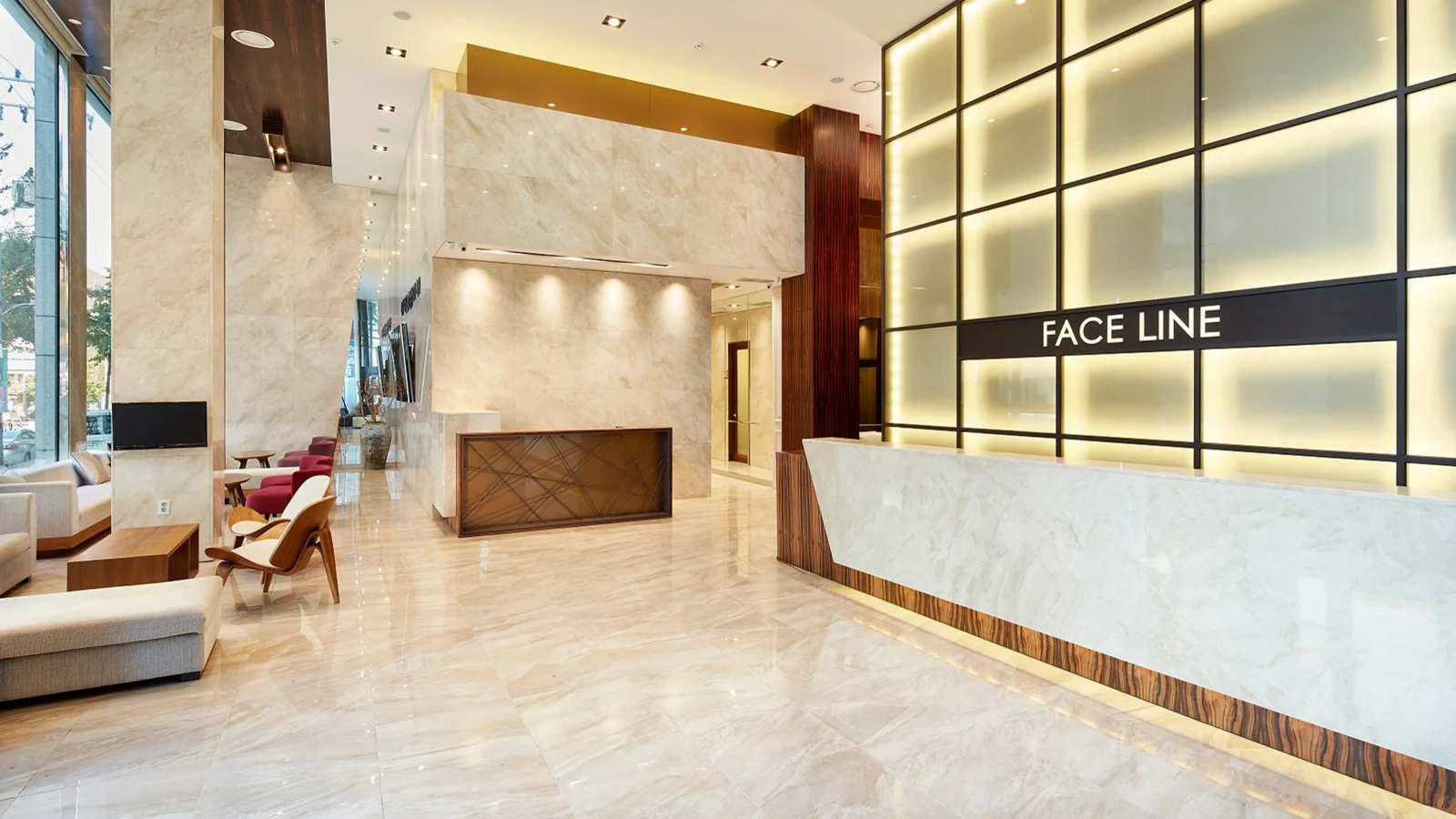
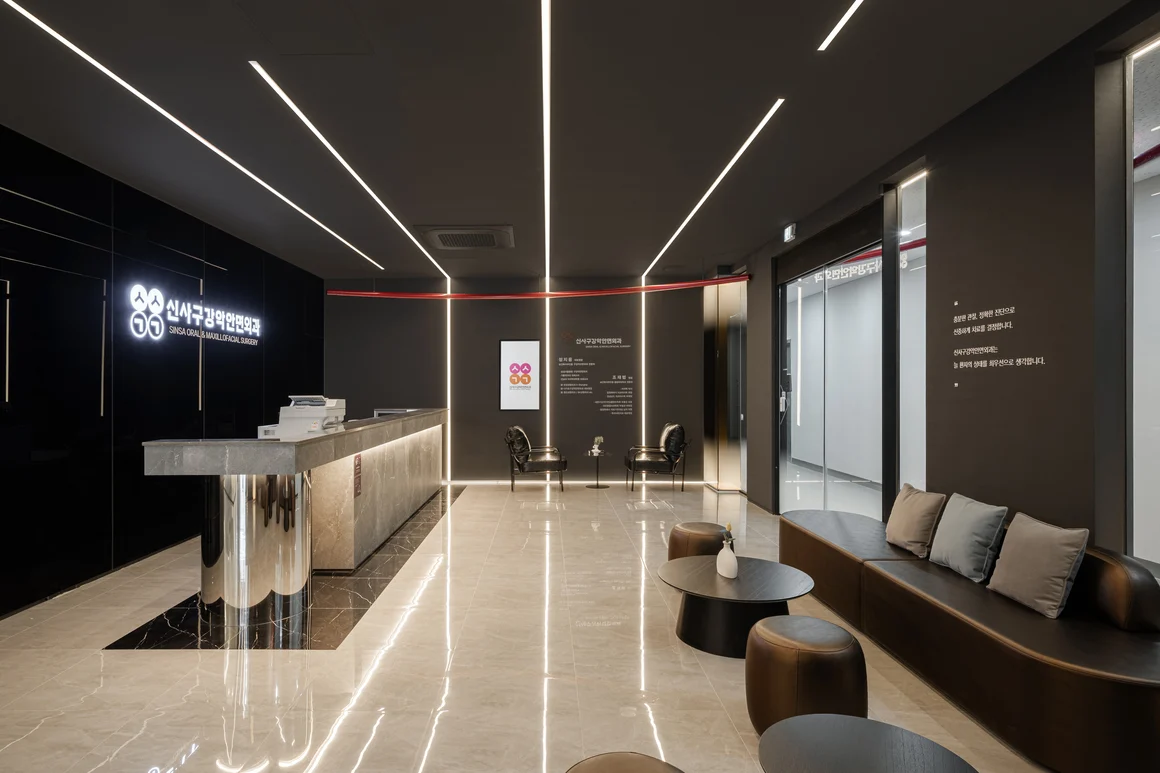
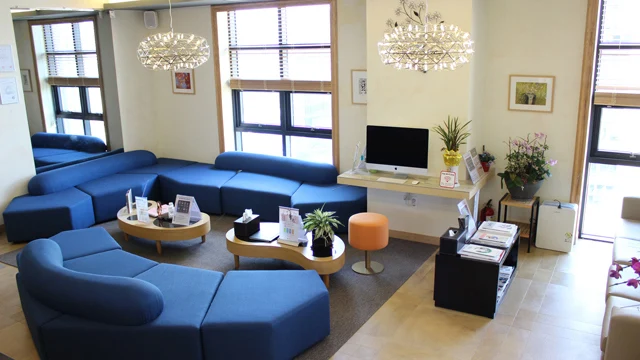
Photos from Deesse Plastic Surgery
6 photos · Select a photo to enlarge
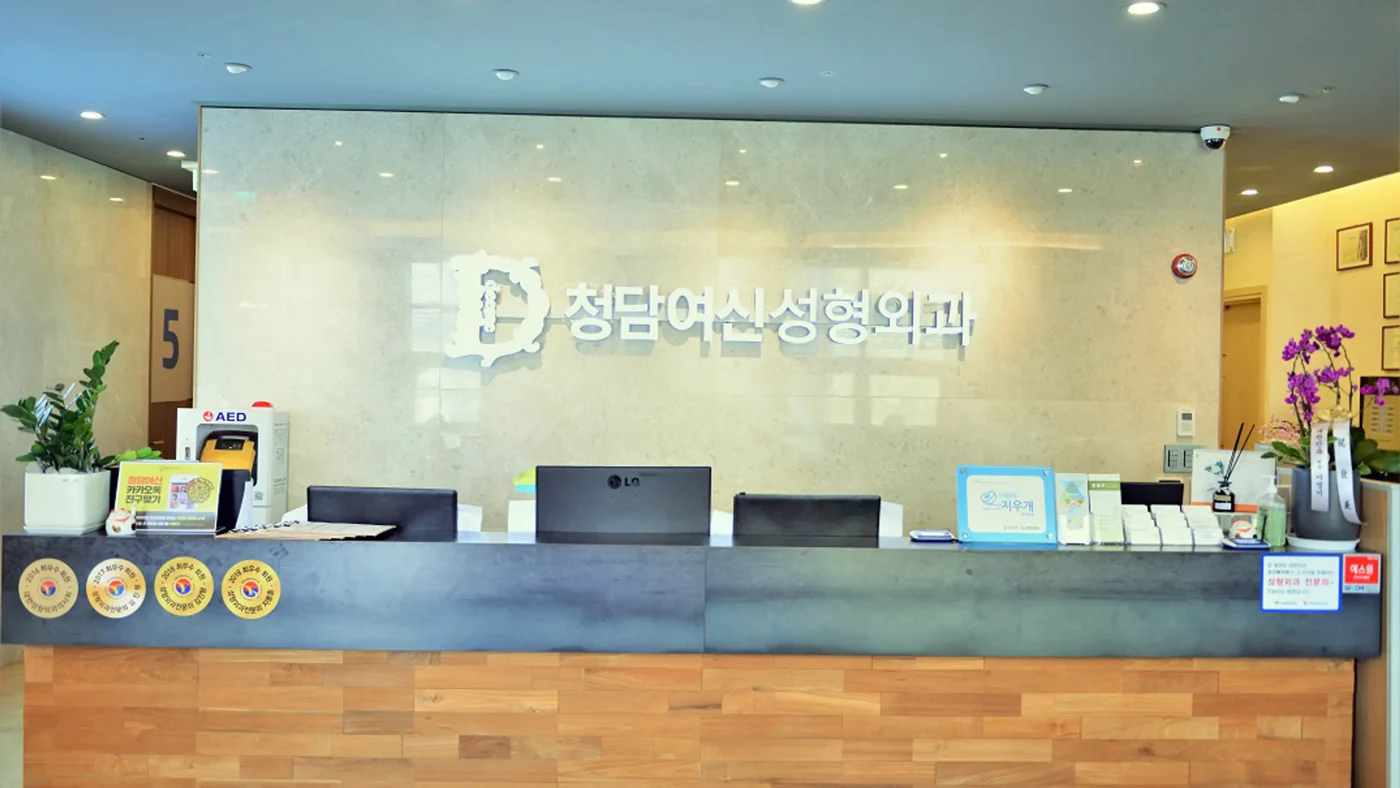

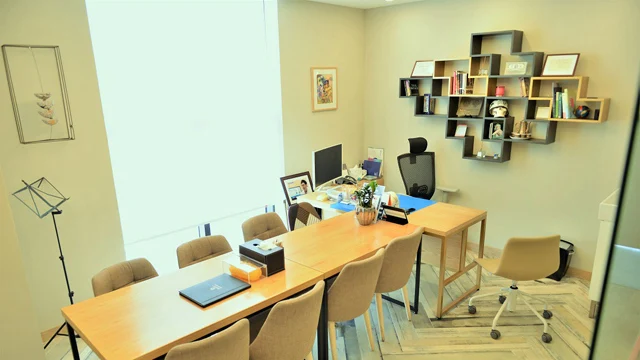
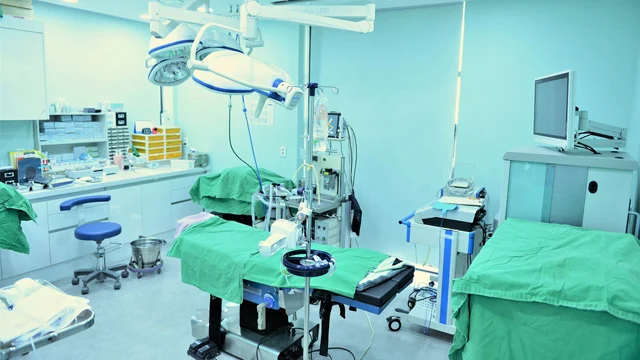
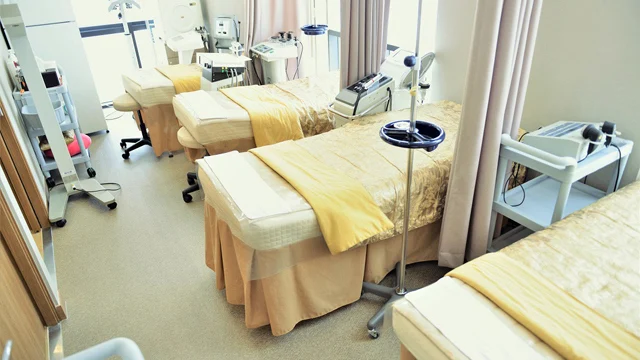
THE CLINIC
청담여신성형외과
Also listed as Deesse · Deesse Clinic
- Location
- Gangnam-gu, Seoul
- Clinical focus
- Orthognathic surgery and contouring
- Practice
- Plastic and reconstructive surgery
- Listed clinicians
- Dr. Jin Hyung Kim
Jaw and chin services
Deesse’s international facial-contouring page lists square-jaw reduction, V-line surgery, double-cut sliding genioplasty, facial asymmetry correction, revision contouring and two-jaw surgery. The practice is led by Dr. Jin Hyung Kim. For patients comparing approaches, its service range makes it especially important to separate a proposed change in jaw position from a change in chin or jaw shape.
A consultation should begin with the underlying problem. Ask whether your concern involves bite alignment, chin projection, jaw width or a combination. If two-jaw surgery is proposed, request the names and roles of the surgical and orthodontic team and a plan for dental coordination.
Discuss the precise facial-bone procedure
Deesse’s facial-contouring service describes 3D CT and X-ray assessment under Dr. Jin Hyung Kim. The consultation should distinguish jaw-angle or chin reshaping from repositioning the tooth-bearing jaws. When two-jaw surgery is being discussed, establish who plans orthodontics, which records are required and how postoperative bite review will be organized.
Named bone procedures and the care pathway
The clinic’s published lower-face range includes a double-cut sliding genioplasty, conventional chin surgery and facial implants. These options are presented separately from mandibular-angle reduction. That matters for a recessed or asymmetric chin: changing the chin bone, adding an implant and reducing a jaw angle are not interchangeable descriptions of the same operation.
The international facial-contouring pathway describes CT and X-ray evaluation, blood testing and an electrocardiogram before surgery, followed by surgical and anesthesia-team support and postoperative care. It also describes teleconsultation before arrival and remote review after departure. These are the clinic’s stated workflow components; the actual testing and monitoring plan depends on the patient and proposed operation.
Deesse lists consultations on the 14th floor and its surgery center on the 15th floor at 108 Dosan-daero, Gangnam-gu, Seoul, near Sinsa Station. Confirm your appointment floor before travel.
Dr. Kim’s published training connects the clinic with Yonsei University and Severance Hospital. His broader specialty profile includes reconstructive and craniofacial surgery, while the clinic’s service directory also includes cleft lip and palate repair and scar reconstruction. Those services describe the practice’s wider scope; they should not be interpreted as evidence that an unrelated reconstructive procedure is needed for a cosmetic concern.
Assessment and surgical design
The clinic describes pre-operative 3D CT and X-ray assessment. Ask the surgeon to explain the relevant findings in plain language: the location of nerves, existing asymmetry, the amount of bone that could be changed and the limitations imposed by your anatomy. A diagram of the proposed movement can be more useful than an idealized appearance image.
If you are considering the clinic’s double-cut sliding genioplasty, ask how the proposed cuts differ from another chin operation in your individual case. Request a comparison with a single chin procedure, an implant or no treatment when clinically appropriate. The technique name should lead to a clear description of what will physically change.
Revision and combined procedures
For revision assessment, prepare previous operation reports and imaging, the date of treatment, your current symptoms and the changes you want to discuss. Ask the team to identify the structural cause of the problem before discussing a further operation. Clarify whether the concern is expected to improve with time, requires orthodontic review or could warrant surgical correction.
When several procedures are recommended, ask for a separate rationale for each. A combined package should still allow you to understand the purpose and recovery burden of its components. Record which changes are necessary for the agreed functional goal and which are optional aesthetic additions.
Care for international patients
The international service page describes remote consultation and post-operative follow-up, together with coordination in several languages. Confirm your own language and the availability of a medical interpreter before paying a deposit. Ask which parts of assessment require attendance in person and whether additional imaging could change the preliminary plan.
Request written terms covering fees, cancellations, postoperative appointments and the response to unexpected problems. Make sure remote follow-up is paired with a plan for an in-person assessment when needed. Before returning home, obtain your operation summary and a list of the relevant devices or fixation materials used, plus a clear point of contact for your local clinician.
Choosing the right facial-bone consultation
Deesse is also listed under its Korean name 청담여신성형외과. The facial-bone consultation should distinguish a concern about the position of the teeth and jaws from a concern about the mandibular border or chin shape. Its published range includes several operations with different aims; the appointment is most useful when the team identifies which anatomical finding each proposed operation would address.
Dr. Jin Hyung Kim is the chief director identified in the clinic’s international biography. If a bite-changing operation is proposed, ask who will coordinate the orthodontic assessment and finishing. For a contour-only plan, ask which part of the change comes from bone reshaping and which depends on soft-tissue response.
Meet the listed clinicians
 Dr. Jin Hyung Kim
Understand the treatment options
YOUR NEXT STEP
Contact the clinic directly
Continue to Deesse Plastic Surgery to find its current consultation options.
- Confirm the care plan
Ask which procedure, clinician and treatment location the consultation covers.
- Get an itemized estimate
Separate the proposed treatment, included care and possible extra costs.
- Review before committing
Clarify aftercare, changes to the plan and cancellation terms before paying.
What should I ask for in a written quote?
- The named procedure, operating clinician and care location; confirm who coordinates any orthodontic treatment.
- The total, currency and tax status, with each included item and exclusion identified.
- Tests, anesthesia, hospital stay, medicines, orthodontics, follow-up and interpreter support: which are included, optional or charged separately?
- What remains provisional until examination, and what happens to the estimate if the treatment plan changes?
- Deposit, cancellation and refund terms, plus who pays for unexpected treatment, extra nights or a return visit.
- Who provides follow-up in Korea and at home, how urgent concerns are handled, and any separate charges.
Read the full cost checklist → · Prepare consultation questions →
The link below opens the clinic’s international website in a new tab. Opening it does not send an enquiry, select a doctor, reserve a date or confirm a price. Jaw Surgery Korea does not collect consultation details or book appointments.
Visit international website ↗Deesse Plastic Surgery · www.deesseclinic.com
Before sharing records or photos, confirm the recipient and the clinic’s secure submission process and privacy policy. Your profile choice here is not automatically included in an enquiry.
Sources & further reading
- Facial contouring services ↗
- International clinic ↗
- Dr. Kim biography ↗
- Clinic address and floor arrangement ↗
- Official clinic profile and information ↗
For personal recommendations, discuss your examination and records with your treating surgeon and orthodontist.